Available now on Google Play
Keep the scene and your reaction in one finished file.
 Bothie
Take a selfie with scenery. Bothie’s picture-in-picture camera combines front and back views in one travel photo.

Your view and your reaction, together.
Interactive composition · illustrative scenes
Keep the scene and your reaction in one finished file.
Picture-in-picture, side-by-side, or top-and-bottom.
Save the composed result to the system photo library.
Photos and videos are never uploaded
Picture-in-picture, side-by-side, or top-and-bottom.
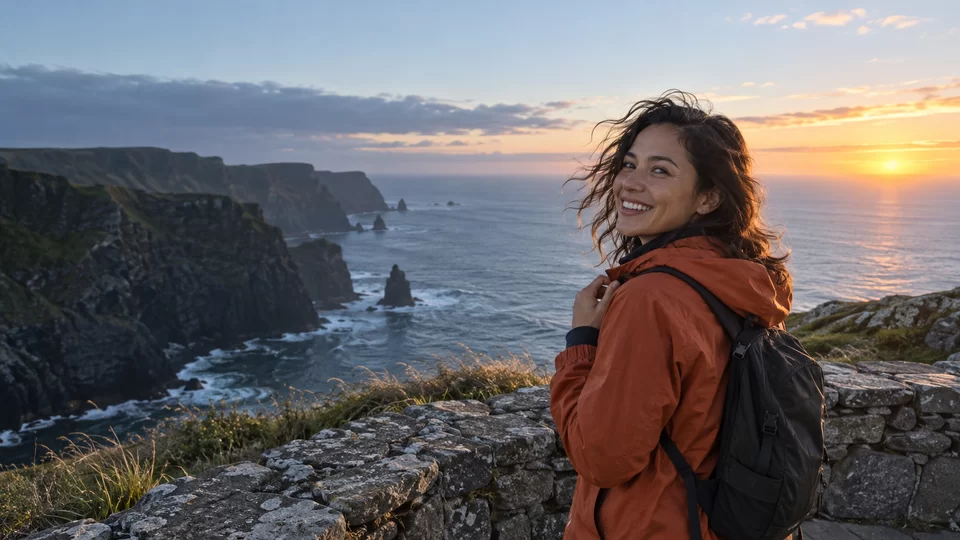
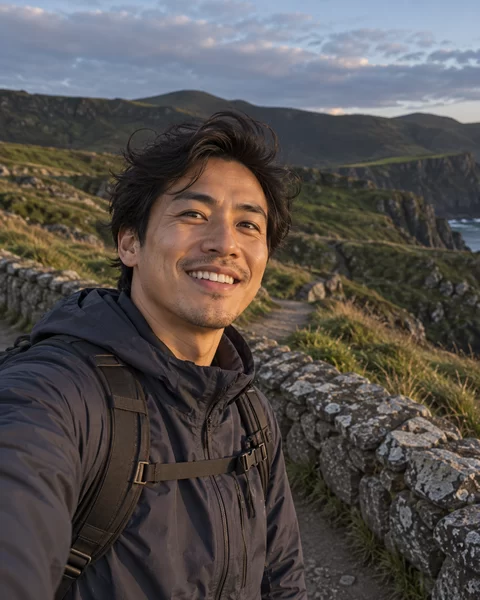
The view and your reaction, together.
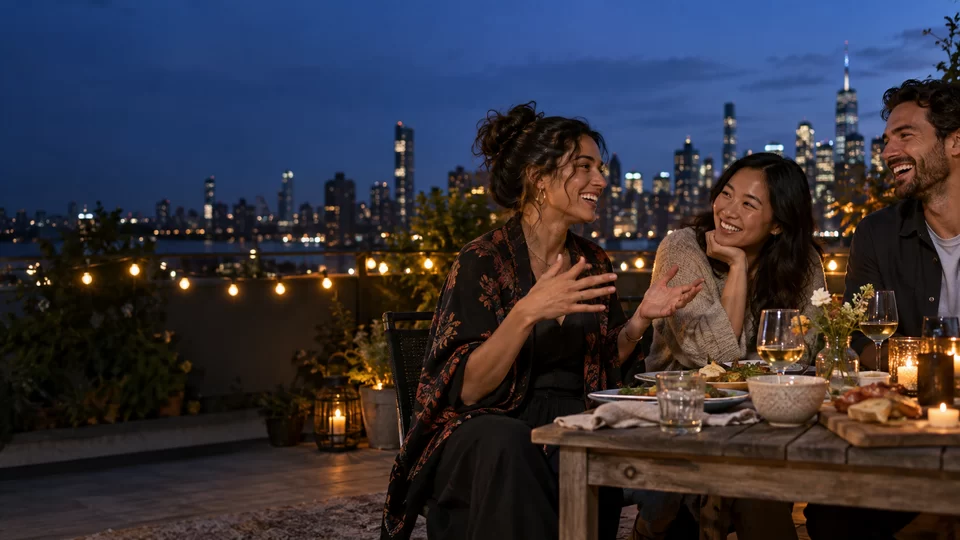

The photographer belongs in the story.

Every side of growing up matters.
Travel, friends, family, live events, and everyday discoveries—Bothie keeps the person filming inside the memory.
Scroll to see the other side. Or choose a view.
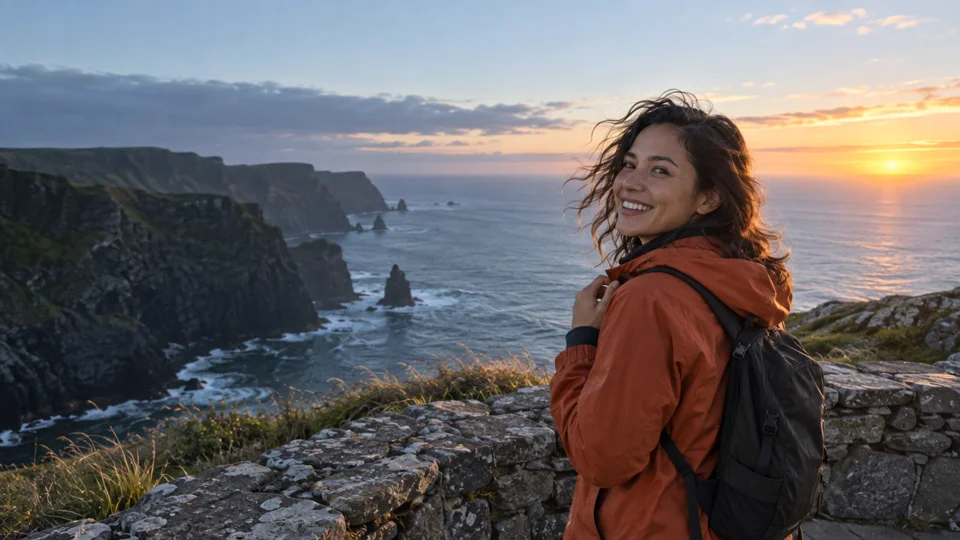
The coast opens up and your friend turns around. A picture-in-picture camera keeps the destination big and your selfie alongside it. Move your portrait away from the horizon for a travel photo that remembers both sides.
Scroll to see the other side. Or choose a view.
Someone always holds the camera at dinner. With side-by-side dual-camera photos, your friends get one half and you get the other. A split-screen memory with room for the person behind the phone.
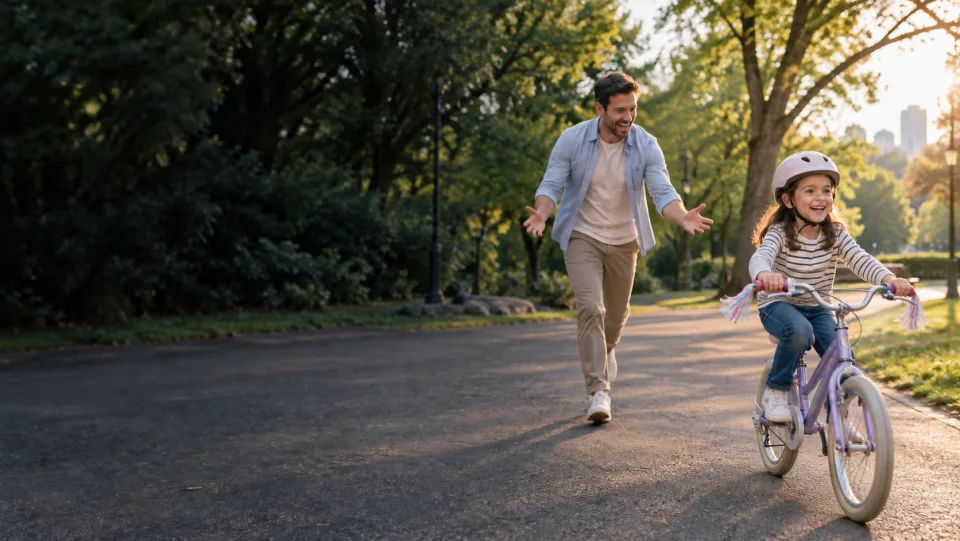
Scroll to see the other side. Or choose a view.
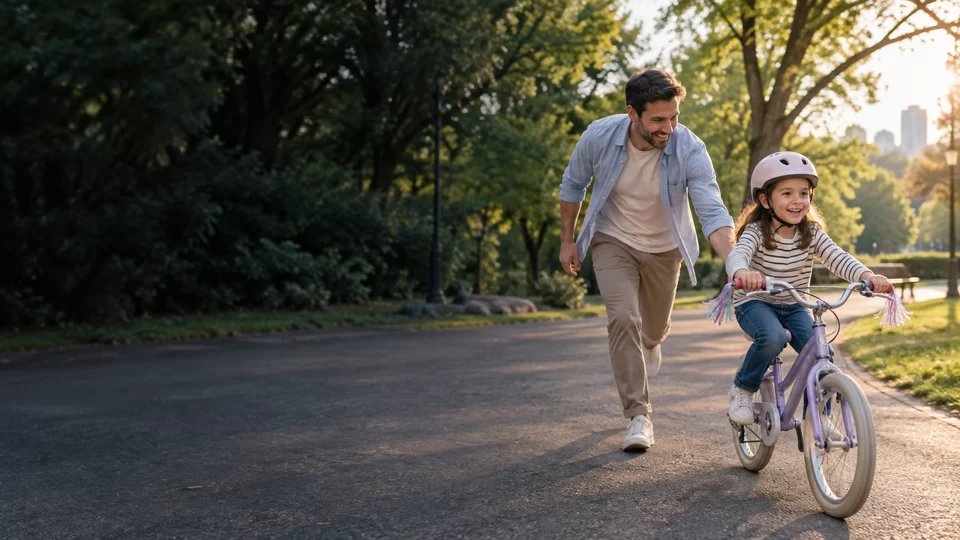
Dad lets go of the bicycle. Mom is filming. A top-and-bottom camera layout gives the child’s first ride and her mother’s reaction their own space—without one face covering the moment.

Scroll to see the other side. Or choose a view.
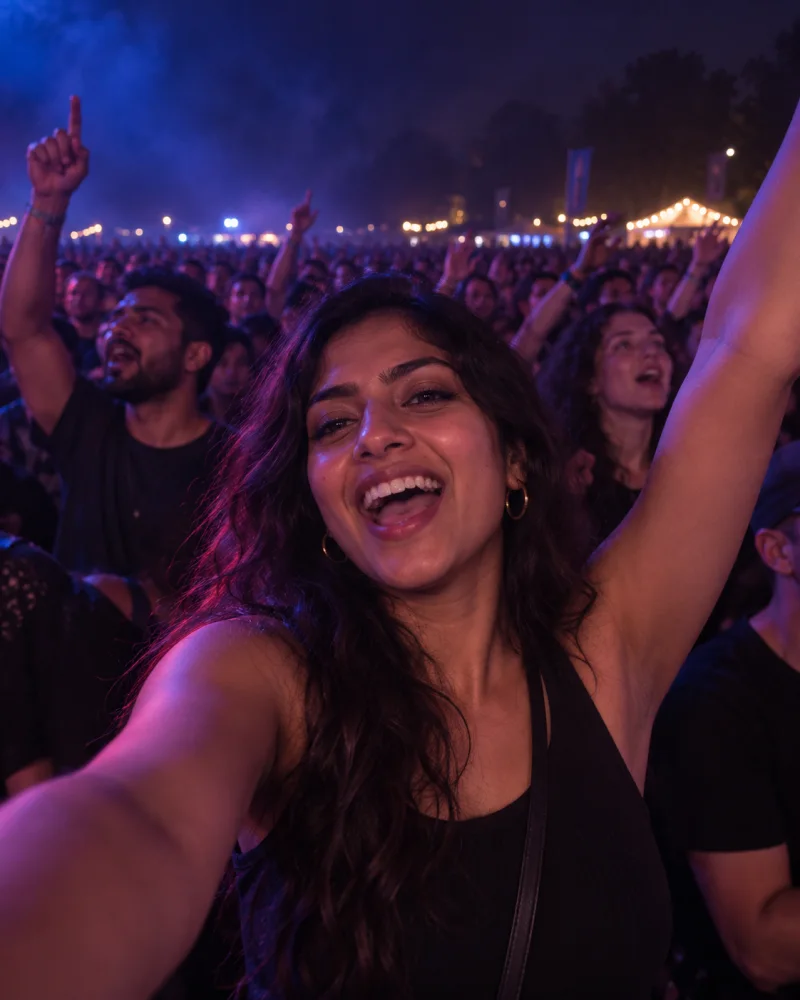
The song starts; your face says the rest. Record a front-and-back camera video with the performance in the main view and your reaction in PiP. Check concurrent-camera support and the venue’s recording rules before the show.
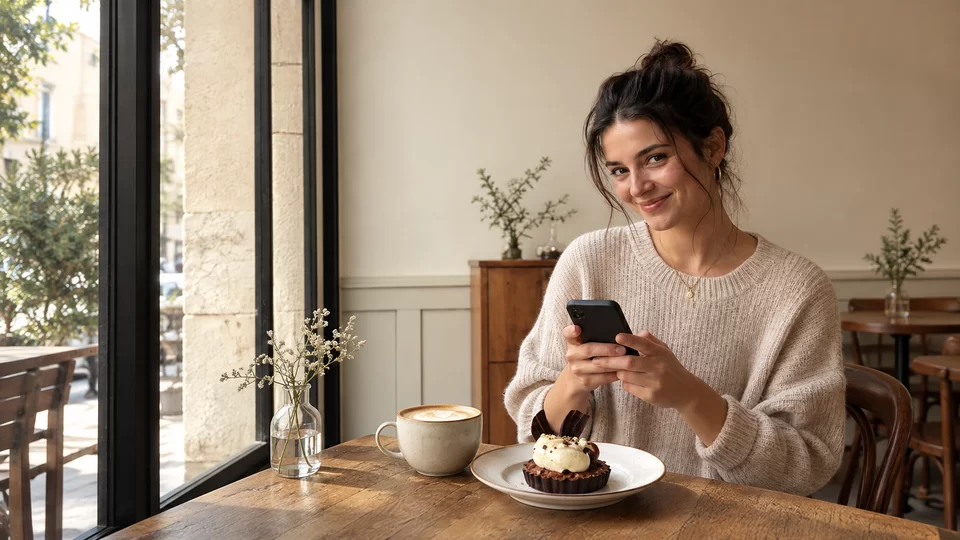
Scroll to see the other side. Or choose a view.
Coffee arrives and the conversation keeps going. Capture a dual-camera photo now; with the optional Creator upgrade, swap views, move or resize the portrait, and choose the composition later. Photo reframing stays on your device.
Simultaneous capture requires a compatible phone. On unsupported devices, Bothie uses sequential capture. These interactive scenes illustrate composition, not live camera output.
On supported devices Bothie captures both cameras concurrently. Other devices switch automatically to guided two-step capture and still create one media file.
Keep the scene and your reaction in one finished file.
Picture-in-picture, side-by-side, or top-and-bottom.
Save the composed result to the system photo library.
Capture adapts to the camera capabilities of the device.
An immersive camera with clear states, no ads, and no interruptions.
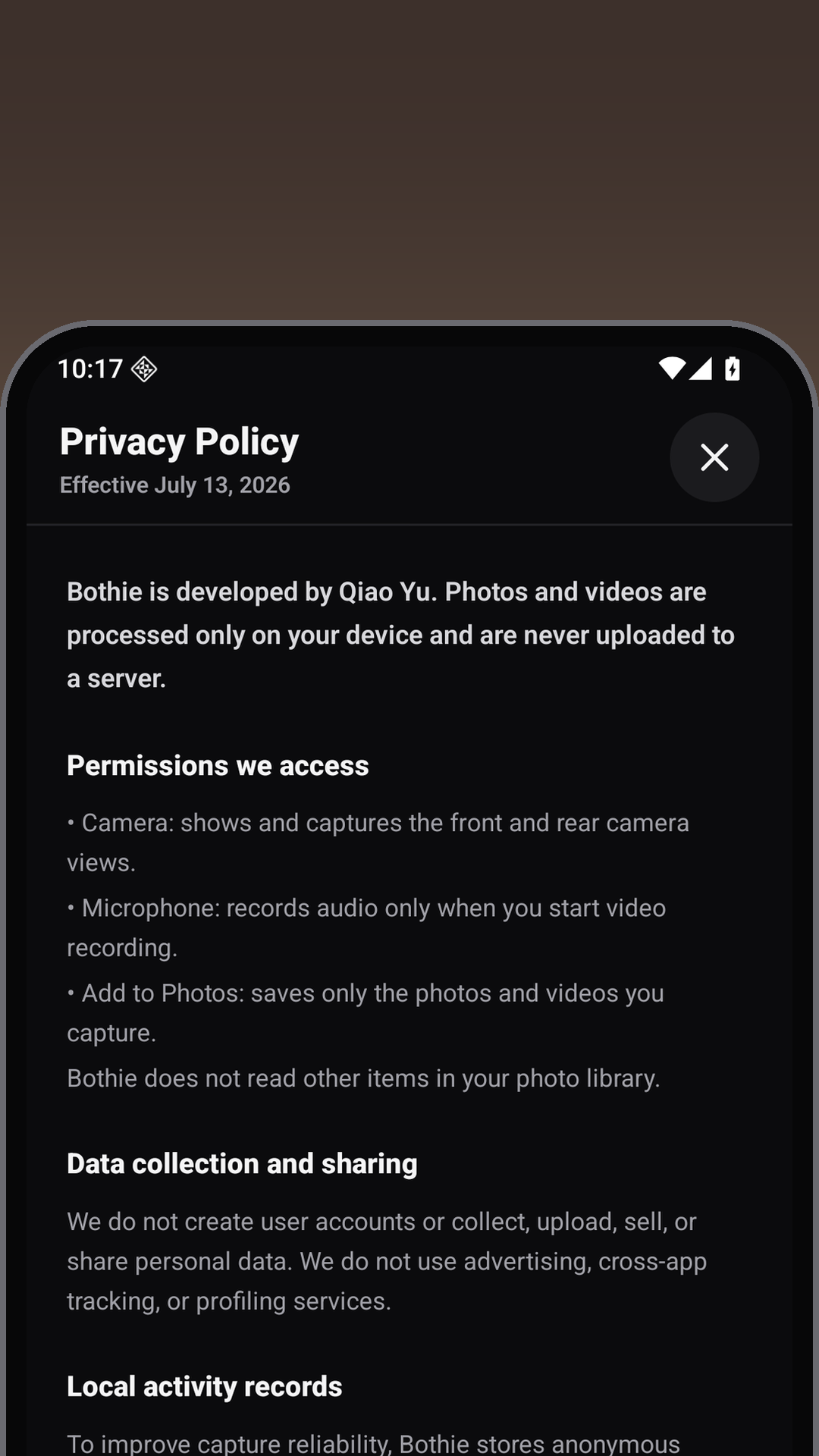
No account flow and no complicated setup. Bothie keeps the technology out of the way.
Arrange both views and swap the primary camera.
Use simultaneous capture or follow the guided second view.
One locally composed file is saved to the system library.
Reframe a dual-camera photo after capture. Swap front and rear, move or resize the PiP window, choose a frame, and export the composition you need—on your device.
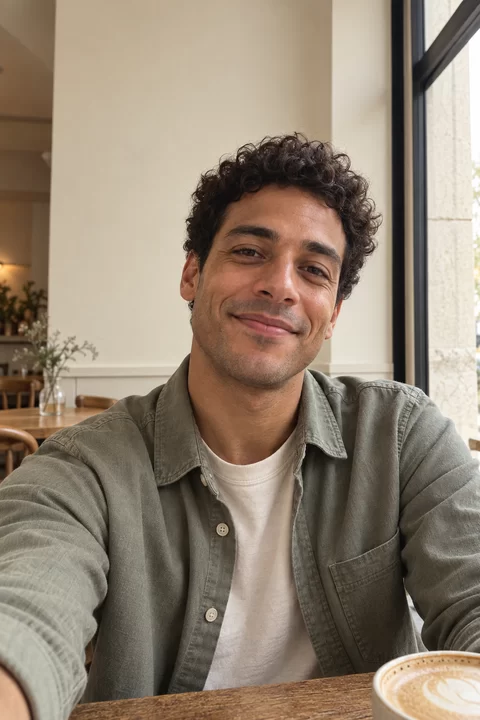
Interactive composition · illustrative scenes
Among Android camera apps, Bothie is built for one specific job: combining the front and rear views in a single photo or video. Choose PiP, side-by-side, or split screen, then keep the result on your device.
Use Bothie as a dual camera app, two-camera recorder, or front-and-back camera app on supported Android phones. Capture the view and the person filming in one composed result.
Check Android dual-camera compatibility →Record or photograph with the selfie camera and back camera together on compatible devices. Bothie detects concurrent-camera support and provides a guided alternative when simultaneous capture is unavailable.
How front and rear capture works →Use Bothie as a dual camera video recorder that keeps a performance, game, reveal, product, or place visible with the creator’s response in the same finished frame.
Plan a dual-camera reaction video →Create a split-screen video during capture with side-by-side or top-and-bottom views. Bothie does not combine two previously recorded clips like a general video editor.
Compare PiP and split screen →Give two people, subjects, or perspectives equal space for interviews, comparisons, family moments, event reactions, and vertical videos.
Choose a side-by-side composition →Place a movable front-camera overlay above the rear scene for reactions, travel vlogs, tutorials, unboxings, food reviews, and product demonstrations.
Position the picture-in-picture view →Keep the landmark, landscape, activity, or group in the rear view while adding the photographer in a small selfie view.
Frame a selfie with the scenery →Download Bothie from its official Google Play listing. The website does not serve an APK or send people to third-party download pages.
Bothie is a privacy-first camera, not a social network or general-purpose editor. It creates one local photo or video from the front and rear perspectives.
The best camera app for Android depends on the job. For dual capture, the essentials are honest device compatibility, clear front-and-rear framing, one useful finished file, and a capture flow that does not turn the camera into a social platform.
Concurrent front and rear capture depends on phone hardware. Bothie checks compatibility and uses guided capture where needed.
Use the selfie camera and back camera together on compatible Android phones and iPhones. If simultaneous capture is unavailable, Bothie switches to a guided two-step flow instead of pretending every device behaves the same.
How simultaneous camera capture works →Make the scene primary with a movable picture-in-picture window, give both perspectives equal weight side by side, or stack two wide views for vertical compositions.
Compare PiP and split-screen layouts →Record reactions, travel, family, friends, interviews, tutorials, product demonstrations, food discoveries, concerts, sports, hobbies, and everyday updates in one finished frame.
Composition happens on the device. There is no required account, built-in social feed, advertising profile, media-upload server, or cloud composition step.
Read the on-device privacy guide →Useful answers for people searching for a better selfie, reaction video, vlog, interview, tutorial, event recap, or private way to keep two perspectives.
Use the rear camera for the landmark, landscape, street, or room and place the front view over negative space. This keeps the destination readable without leaving the photographer out.
Keep the performance, game, reveal, dish, or product in the main view while the front camera records the response. Test the framing before a moment that cannot be repeated.
Choose side-by-side when both people or views matter equally. Use PiP when one speaker is explaining a larger event, location, object, or demonstration.
Let the rear camera show hands and materials, then reserve a small front view for the instructor. Top-and-bottom can work when the tabletop needs a wide horizontal crop.
Capture the location and a short face-to-camera update in one frame. The result can work as a private memory or a clip you choose to share elsewhere.
Use a focused capture app when you want local composition rather than an account, social feed, audience, advertising profile, or automatic media upload.
Move the PiP selfie view away from faces, signs, hands, and the main action. Open sky, a blank wall, water, or a quiet corner often works best.
Make the important view larger. If the reaction is the story, give the person more space; if the place or action matters most, keep the rear scene dominant.
Check that both faces are readable, avoid rapidly changing light, hold the phone steadily, and make a short test before concerts, sports, or family milestones.
Portrait suits mobile-first stories and stacked layouts. Landscape gives events, groups, tables, and scenery more horizontal room. Preview the final composition before capture.
Original, practical guides for dual-camera photos and videos—built around real scenes, clear composition, and honest device compatibility.
Learn how dual-camera capture works on Android and iPhone, how to frame both views, and what happens when a phone cannot run both cameras concurrently.
Read guide →Compare what mobile apps for cinematography need, then build a practical front-and-back camera workflow for vlogs, events, and behind-the-scenes footage.
Read guide →A practical guide to camera permissions, on-device processing, local saving, data disclosures, and the questions to ask before trusting a camera app.
Read guide →Answers about Android camera apps, dual capture, reaction cam recording, PiP video, split-screen layouts, compatibility, privacy, and the official camera app download.
Yes. On phones that support concurrent cameras, Bothie captures the front and rear cameras together. Other devices use a guided two-step capture and still create one composed photo or video.
Open Bothie, choose picture-in-picture, side-by-side, or top-and-bottom, compose both views, and start recording. Simultaneous dual-camera recording depends on the Android device’s camera capabilities.
Picture-in-picture, also called PiP camera mode, places a movable front-camera window over the larger rear-camera scene. It works well for reactions, travel vlogs, tutorials, food reviews, and live events.
Yes. Bothie works as a split-screen video maker and side-by-side video app during capture. Choose side-by-side or top-and-bottom, or use a movable picture-in-picture view, then save one composed result.
Yes. Bothie works as a reaction cam app, dual camera vlog, and reaction video recorder because it keeps the scene and the creator’s response in one finished frame.
Yes. Bothie is a standalone dual camera photo and video app with no social feed, no account, no advertising, and no cross-app tracking.
No. Camera composition, preview, recording, and saving happen locally on your device. Bothie does not operate a server that receives your media.
Bothie automatically switches to a guided rear-then-front capture. The views are taken in sequence and combined into one result instead of being captured at the identical instant.
Popular uses include travel videos, interviews, reaction clips, family moments, group shots, concerts, product demonstrations, tutorials, and everyday dual-view photos.
Yes. Bothie supports dual-camera photos as well as video. Compatible phones capture both views concurrently; other phones use a guided rear-then-front flow and combine the views into one photo.
Dual capture uses two phone cameras in one capture workflow. A bothie photo includes the scene in front of the phone and the person behind it, using PiP, side-by-side, or top-and-bottom layouts.
The official Bothie camera app download is available on Google Play. Bothie does not distribute an APK from this website or from third-party download pages.
Bothie is a free local camera with no publishing feed, social interaction, ads, or account system. Android offers an optional one-time Creator upgrade through Google Play.